

06 Nov Is sushi better cold or warm: a practical guide
When it comes to enjoying sushi, a common question arises: is sushi better cold or warm? Exploring this question can enhance your dining experience and help you appreciate the culinary art of sushi. At Aikawa Sushi, we take pride in offering a comprehensive dining experience that caters to both preferences. Whether you are a seasoned sushi lover or a curious newcomer, understanding the nuances of sushi temperature can elevate your taste buds and your appreciation for this beloved dish.
The Tradition of Sushi Temperature
The traditional approach to sushi emphasizes serving it at a specific temperature to preserve its delicate flavors and textures. In Japan, sushi is often served at room temperature, which is considered the ideal state for rice and fish to meld perfectly. The subtlety in temperature allows the flavors to shine without being overshadowed by the chill of refrigeration or the heat of cooking.
However, the “is sushi better cold or warm” debate persists globally, primarily because sushi is served differently in various regions. In Western countries, sushi is often served cold, particularly in take-out and grocery settings, to maintain food safety standards. This shift in serving style has influenced many diners’ perceptions of the “right” temperature for sushi.
Understanding the Flavors: Cold vs. Warm Sushi
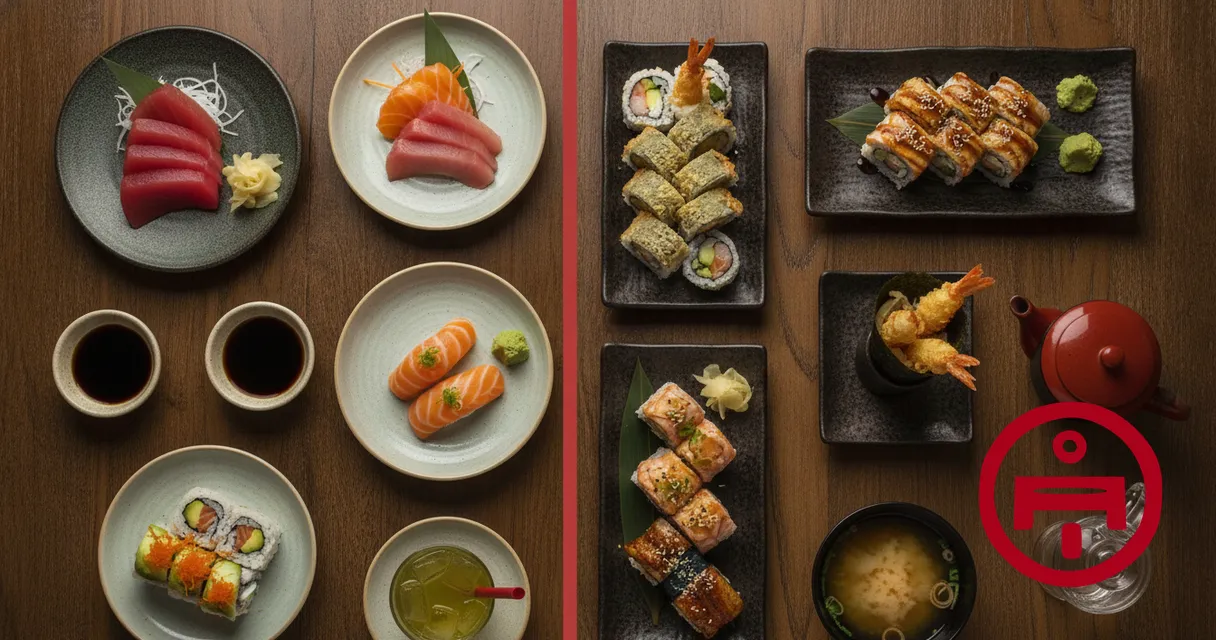
When sushi is served cold, the flavors can become more pronounced, allowing diners to enjoy the freshness of the fish and the subtlety of the rice. Cold sushi is particularly popular in settings where presentation and convenience are prioritized, such as in sushi bars and buffet-style dining.
Warm sushi, on the other hand, offers a different sensory experience. The warmth can enhance the umami flavors of the fish and provide a comforting texture to the rice. At Aikawa Sushi, we often recommend trying our chef’s special warm sushi rolls to experience the rich flavors and textures that warmth brings out.
The Science Behind Sushi Temperature
The question of “is sushi better cold or warm” can also be examined through the lens of culinary science. Cold temperatures can inhibit the release of flavors, making the sushi taste milder. Conversely, warmth can help release aromatic compounds in the fish and rice, enriching the overall flavor profile.
For those interested in the science of sushi, our article on the freshness of seafood at Aikawa Sushi, From the Sea to Your Table: The Unmatched Freshness of Aikawa Sushi, delves deeper into how temperature affects taste and texture.
Practical Tips for Enjoying Sushi at Aikawa Sushi
At Aikawa Sushi, we believe the best way to determine your preference is through personal experience. Here are some tips to make the most of your sushi dining experience:
- Try a variety: Don’t limit yourself to just warm or cold sushi. Explore our diverse menu to experience a range of temperatures and flavors.
- Visit our sushi bar: Engage with our skilled chefs at the sushi bar for a fresh, warm sushi experience.
- Book a private room: For a personalized dining experience, reserve one of our private rooms and explore our curated sushi menus.
- Read our blog: Stay informed by visiting our blog for more insights and updates on sushi trends.
No matter your preference, Aikawa Sushi offers a warm and inviting atmosphere where you can discover the depth and richness of sushi.
FAQ
Is sushi traditionally served cold or warm?
Traditionally, sushi is served at room temperature. This allows the flavors of the fish and rice to blend harmoniously without the interference of extreme temperatures.
Can I request warm sushi at Aikawa Sushi?
Yes, Aikawa Sushi offers a variety of sushi options, including warm sushi rolls. Our chefs are happy to accommodate your preferences to ensure a delightful dining experience.
What’s the best way to enjoy sushi at home?
For an optimal at-home experience, consider letting sushi reach room temperature before eating. This enhances the flavors and provides a more traditional taste.
Does warming up sushi affect its taste?
Warming sushi can enhance its umami flavors and make the texture of the rice more appealing. However, be cautious not to overheat, as this can alter the delicate flavors of the fish.
How does Aikawa Sushi ensure the freshness of its sushi?
Aikawa Sushi prides itself on using the freshest ingredients. Our commitment to quality ensures that each piece of sushi is prepared with care, maintaining its freshness and flavor.
Conclusion: Experience the Best of Both Worlds
Ultimately, whether sushi is better cold or warm depends on personal preference. At Aikawa Sushi, we encourage you to explore both options to find your favorite. Our dedicated team is here to guide you through a memorable sushi journey. Visit us in the West Island of Montreal to indulge in a culinary experience that caters to all tastes. Discover more about our offerings by visiting our special moments celebration page and plan your next visit with us today!


Sorry, the comment form is closed at this time.