

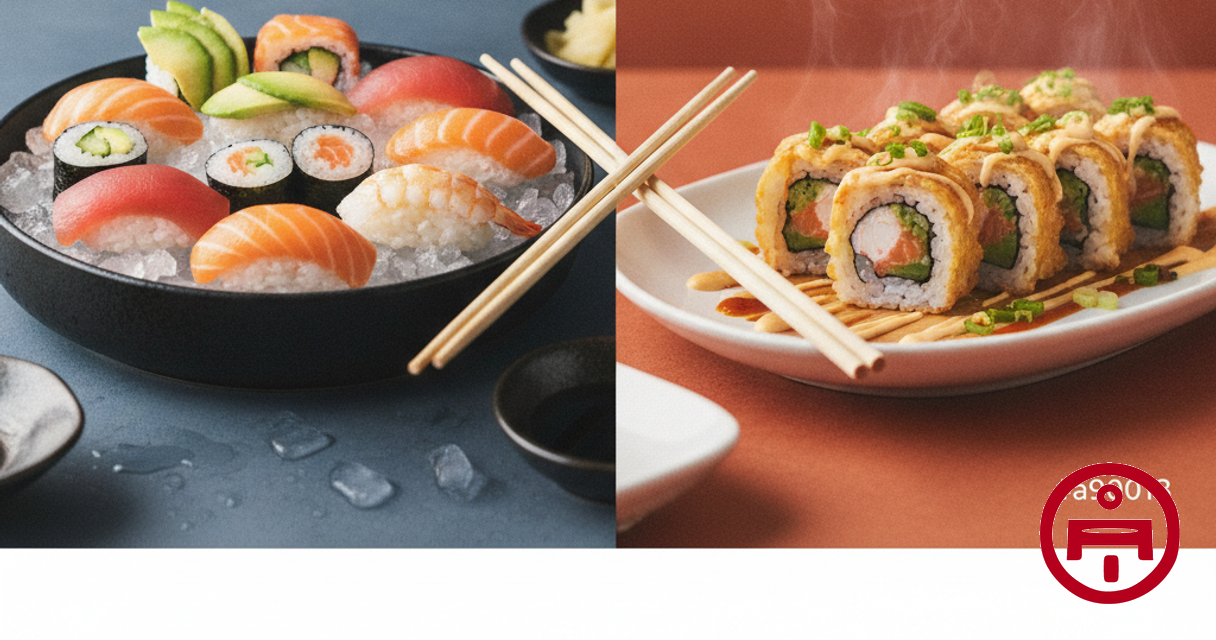
31 Jul Cold or Hot Sushi? A Temperature Guide
When it comes to sushi, many connoisseurs and newcomers alike find themselves pondering the ideal temperature at which to enjoy this beloved Japanese delicacy. The température sushi can greatly influence your dining experience, highlighting different flavors and textures. At Aikawa Sushi in Montreal, we understand the importance of this aspect, and we strive to provide the optimal sushi experience, whether you’re dining in, ordering take-out, or enjoying delivery in the West Island area.
Sushi Temperature: An Overview
Understanding the role of temperature in sushi goes beyond personal preference; it’s a crucial aspect of the culinary art. Sushi is traditionally served at a temperature that enhances the delicate balance of flavors. While many might assume that all sushi should be served cold, this is not always the case. The right temperature differs depending on the type of sushi and its components.
Generally, sushi rice should be served at body temperature. This warmth helps to bring out the flavors of the rice and enhances its texture. On the other hand, the fish or seafood topping is often served slightly colder to maintain freshness and a firm texture. This contrast is part of what makes sushi such a unique and enjoyable experience.
The Impact of Temperature on Flavor
Cold Sushi
Cold sushi is typically associated with sashimi, nigiri, and maki rolls. The coolness of the fish is essential for maintaining the freshness and the integrity of the seafood. Cold sushi allows the natural flavors of the fish to stand out without interference from higher temperatures. This is particularly important for delicate fish varieties like tuna and salmon, where subtle flavors can be easily overshadowed.
- Maintains freshness and firm texture
- Enhances the natural flavors of seafood
- Ideal for sashimi and nigiri
Hot Sushi
Hot sushi, often served as tempura or grilled varieties, offers a different taste profile. The heat can caramelize the sugars in the fish, adding a layer of complexity and depth. This type of sushi is perfect for those who enjoy a richer, more robust flavor. At Aikawa Sushi, our chefs carefully balance heat and ingredients to deliver a delightful culinary experience.
Strategic Opportunities for Sushi Lovers
At Aikawa Sushi, we offer a diverse menu that caters to both cold and hot sushi enthusiasts. Our chefs are adept at crafting sushi that highlights the best of both temperature ranges. Whether you’re a fan of traditional cold sushi or prefer the bold flavors of hot sushi, our menu has something to satisfy your palate.
For those looking to explore the art of sushi, we recommend trying our Omakase experience. This dining option allows our expert chefs to guide you through a carefully curated selection of sushi that showcases the best of both worlds. It’s an excellent opportunity to discover new flavors and textures.
Tips for Enjoying Sushi at the Right Temperature
Dining In
When dining in at Aikawa Sushi, you can trust that our chefs serve each dish at the optimal temperature. We recommend savoring each piece as it arrives to experience the full range of flavors and textures intended by our culinary experts. Our dining experience is designed to enhance your sushi enjoyment.
Ordering Take-Out or Delivery
If you prefer to enjoy Aikawa Sushi at home, we suggest consuming the sushi shortly after it arrives. Maintaining the intended temperature is crucial for flavor; therefore, avoid refrigerating the sushi if possible. Letting it rest for a few minutes at room temperature can help bring out the best taste.
Utilizing Our Private Rooms
For those planning a special event or corporate gathering, take advantage of our private dining rooms. These spaces offer a personalized setting where sushi can be enjoyed at its best, served directly by our skilled chefs.
FAQ
What is the ideal temperature for sushi rice?
Sushi rice is best served at or slightly above body temperature. This warmth helps enhance the flavor profile of the rice, making it more fragrant and palatable.
Is it safe to eat warm sushi?
Yes, warm sushi such as tempura or grilled options are safe and delicious when prepared by experienced chefs like those at Aikawa Sushi who understand the intricacies of temperature control in sushi preparation.
Can sushi be reheated?
It’s not recommended to reheat sushi, especially raw fish varieties, as it can alter the texture and flavor. If necessary, gently warming rice-based sushi dishes in a microwave for a few seconds can help.
Why do some sushi rolls feel colder than others?
This often depends on the type of ingredients used. Fish toppings are usually served cold to preserve freshness, while other components may vary in temperature.
What are the benefits of dining at Aikawa Sushi?
Dining at Aikawa Sushi ensures that each dish is crafted with expertise, using the freshest ingredients and served at the optimal temperature for maximum flavor.
Conclusion: Experience Sushi the Right Way
Understanding the importance of température sushi can significantly enhance your dining experience. At Aikawa Sushi, we invite you to explore the delicate balance of flavors and textures that our skilled chefs expertly provide. Whether you choose to dine in, order take-out, or host an event in our private rooms, we promise an unforgettable sushi journey. Visit us today and discover the art of sushi at the perfect temperature. For reservations or to learn more about our offerings, visit our website and make your next sushi outing truly special.


Sorry, the comment form is closed at this time.