

29 Sep The Secret to Perfect Sushi Rice
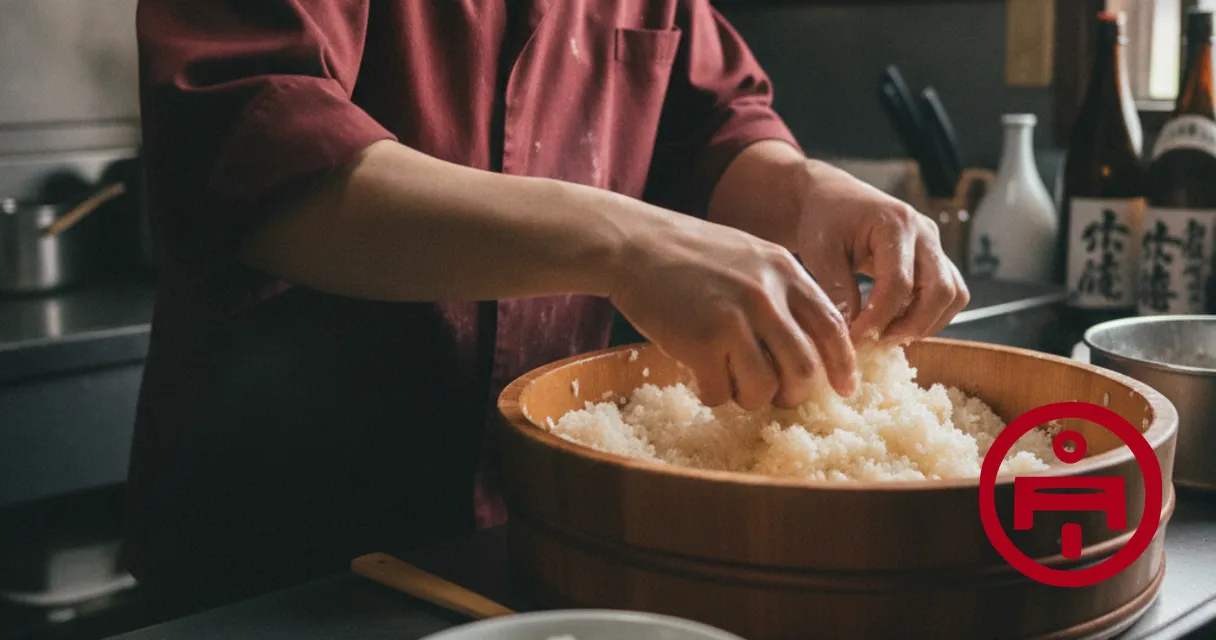
Sushi is an art form, and at the heart of this art lies the perfect rice. Mastering this component is crucial for the delicate balance of flavors and textures that elevate a sushi dish from ordinary to extraordinary. At Aikawa Sushi, we take pride in crafting the finest sushi in Montreal, and we believe that understanding The Secret to Perfect Sushi Rice is essential for any sushi aficionado.
The Importance of Sushi Rice
This rice, or shari, is the backbone of sushi. It is not merely a vessel for fish but an integral part of the sushi experience. Perfect rice should be sticky yet firm, with a subtle flavor that complements the sushi toppings. Achieving this balance requires attention to detail and an understanding of the ingredients involved.
At Aikawa Sushi, our chefs are experts in crafting rice that enhances the flavors of our creations. We use premium short-grain rice, carefully selected and prepared to ensure each grain is perfectly cooked. This dedication to quality is what sets our sushi apart from the rest.
The Science Behind Sushi Rice
The secret to perfect rice involves a scientific approach. The type of rice, the vinegar mixture, and the cooking technique all play crucial roles. Short-grain rice is essential due to its higher starch content, which gives the rice its characteristic stickiness. However, it is the precise balance of rice vinegar, sugar, and salt that imparts the distinctive flavor.
Aikawa Sushi has perfected this balance, ensuring that each batch is consistent in flavor and texture. Our chefs carefully measure and mix the vinegar solution, allowing it to be absorbed by the rice during the cooling process. This meticulous method guarantees that our rice remains true to its traditional roots while catering to modern palates.
Mastering the Art of Sushi Rice Preparation
Cooking the Rice
The first step in preparation is cooking the rice correctly. Rinse the grains several times until the water runs clear to remove excess starch. This step is crucial for preventing the rice from becoming overly sticky. Once rinsed, the rice should be soaked for about 30 minutes before cooking to allow the grains to absorb water evenly.
The Vinegar Mixture
While the rice cooks, prepare the vinegar mixture. A typical mix includes rice vinegar, sugar, and salt, heated gently to dissolve the sugar and salt. This mixture is then evenly distributed over the cooked rice. At Aikawa Sushi, we have refined this process to ensure a perfect balance that brings out the natural sweetness of the rice while complementing the sushi toppings.
Common Mistakes and How to Avoid Them
Even experienced sushi enthusiasts can make mistakes when preparing rice. Common issues include rice that is too wet or too dry, flavors that overpower the toppings, and rice that lacks the necessary stickiness. Understanding these pitfalls is essential for anyone looking to improve their sushi-making skills.
- Avoid overcooking the rice. Overcooked rice becomes mushy and loses the desired texture.
- Do not skimp on rinsing the rice. Proper rinsing removes excess starch, preventing the rice from clumping.
- Balance the vinegar mixture. Too much vinegar can overpower the rice, while too little can make it bland.
Experience Aikawa Sushi’s Mastery
While mastering rice at home is a rewarding endeavor, experiencing expertly crafted rice prepared by professionals offers a different level of enjoyment. At Aikawa Sushi, our chefs have honed their skills to provide an unparalleled sushi dining experience. Whether you are dining in our warm, relaxed dining room or enjoying a private event in our tatami rooms, our rice exemplifies the art of sushi making.
Explore our signature rolls or learn more about our commitment to freshness from the sea to your table.
FAQ
What is the best type of rice for sushi?
Short-grain rice is the best type for sushi due to its high starch content, which provides the necessary stickiness for forming sushi rolls.
How do I store leftover sushi rice?
Leftover rice should be stored in an airtight container in the refrigerator. To reheat, sprinkle with water and microwave until warm.
Can I use regular vinegar instead of rice vinegar?
Rice vinegar is preferred for its mild flavor. Regular vinegar can be too harsh and alter the taste of the rice.
Why is my sushi rice too mushy?
Mushy rice often results from overcooking or using too much water. Ensure correct water-to-rice ratios and avoid overcooking.
Is it necessary to use sugar in sushi rice?
Sugar is used to balance the vinegar’s acidity. It is recommended but can be adjusted according to taste preferences.
Ready to experience the best sushi rice for yourself? Visit Aikawa Sushi in West Island, Montreal, where our expert chefs craft sushi with meticulous attention to detail. Whether you’re planning a special event or seeking a delightful dining experience, Aikawa Sushi offers the perfect setting to savor exceptional sushi. Book a private room for your next corporate event or celebration and indulge in the art of sushi like never before.


Sorry, the comment form is closed at this time.